
If you have spent any real time building with WordPress. You already know the default editor can only take you so far. It’s great for content. Not so great when you need structure, flexibility, and control.
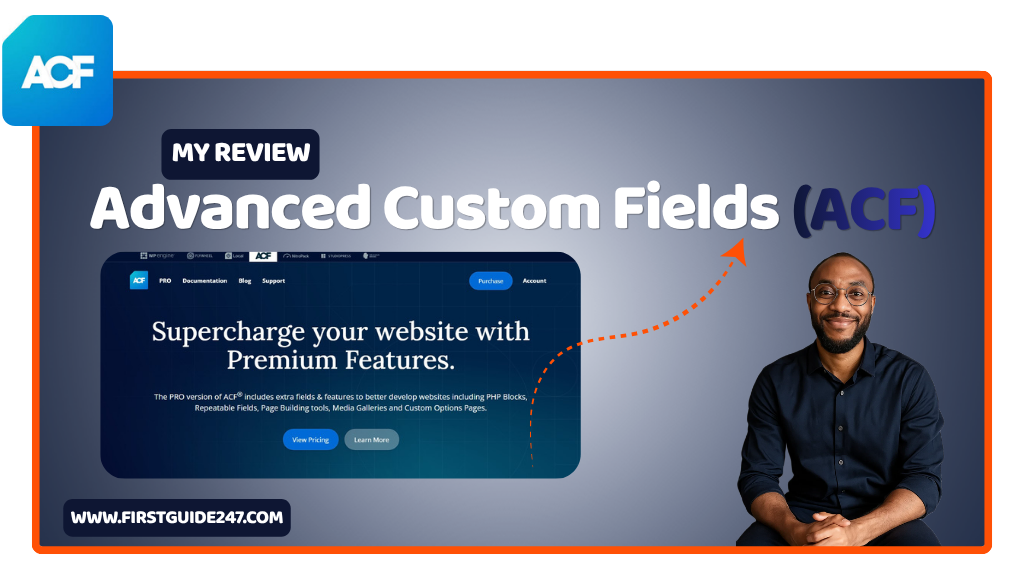
That’s where Advanced Custom Fields, better known as ACF steps in.
I have been using ACF for 8 years. Client projects, personal sites, complex builds that would’ve been a nightmare without it. And even with all the page builders and flashy tools out there today. ACF still holds its ground even now.
Let’s break it down properly together.
What Is Advanced Custom Fields (ACF)?
At its core, ACF is a plugin that lets you add custom fields to your WordPress edit screens.
Sounds simple right?. It is simple in away and it isn’t in another way.
With ACF, you can attach structured data to posts, pages, users, and categories. Pretty much anything in your dashboard. Instead of cramming everything into the default content editor, you create clean input fields like:
- Text fields
- Image uploads
- Repeaters
- Flexible content layouts
- True/false toggles
- Select dropdowns
And then you display that data exactly how you want on the frontend.
It turns WordPress from a blogging platform into a proper content management system.
Want the Premium Version?
Why I Keep Coming Back to ACF
There are tons of tools that promise “no-code magic.” Page builders like Elementor or WP Bakery can get you pretty far.
But when a project needs structure, not just design. ACF wins here.
Here’s why.
1. Total Control Over Your Content Structure
With ACF, you decide exactly how content is organized.
Want a custom layout for a real estate listing? Easily Done.
Need a team member section with roles, photos, and social links? Very Easy.
Building a pricing table that updates dynamically? No problem at all.
Instead of forcing content into one big editor box, you create a clean backend experience for yourself (or your clients).
2. Flexible Content Is a Game-Changer
The Flexible Content field lets you build modular layouts almost like a page builder, but without the bloat.
You define sections like:
- Hero
- Testimonials
- Features
- FAQs
Then stack them in any order per page.
It’s lightweight and very fast. And it gives you full design control via code.
3. It Plays Well With Developers
If you’re comfortable with a bit of PHP (or you work with a developer), ACF becomes insanely powerful for you.
You can:
- Pull field values into templates
- Build completely custom themes
- Create dynamic components
- Keep your code clean and maintainable
Pair ACF with custom post types and you’re basically building your own tailored CMS.
4. Performance Is Actually Solid
Unlike many visual builders that load extra scripts and styles. ACF is surprisingly lightweight.
It doesn’t try to do everything visually. It gives you the data, and you decide how to render it on your own.
That means:
- Faster load times
- Cleaner HTML
- Better SEO foundations
And in 2026, your website performance matters more than ever.
ACF Free vs ACF Pro (What’s the Real Difference?)
The free version is good. The Pro version is where things unlock even more.
ACF Free Includes:
- Basic field types (text, image, select, etc.)
- Field groups
- Simple customization
ACF Pro Adds:
- Repeater fields
- Flexible Content field
- Gallery field
- Clone field
- Options pages
If you’re doing anything beyond basic blogging, you’ll want Pro version. No debate on this.
Real-World Use Cases (Where ACF Shines)
Here’s where I personally rely on ACF:
- Client websites: structured content that non-tech users can update
- Landing pages: reusable sections without page builder overhead
- Directories & listings: custom post types + repeaters
- Blog enhancements: author boxes, custom layouts, featured sections
Once you start using it properly, it becomes hard to go back. I promise you that.
The Downsides (Let’s Be Honest)
No tool is perfect to be honest with you. ACF included.
1. Not Beginner-Friendly
If you’re expecting drag-and-drop simplicity, this isn’t it.
There’s a learning curve especially when it comes to displaying fields on the frontend.
2. You’ll Need Code (At Some Point)
ACF doesn’t design your pages for you.
You’ll need to:
- Edit theme files
- Use PHP functions
- Understand how WordPress templates work
If that sounds like a headache, a page builder might suit you better.
3. Can Get Messy Without Planning
If you don’t structure your fields properly from the start, things can spiral.
Too many field groups, inconsistent naming and suddenly your backend feels cluttered.
ACF gives you power. You still need discipline to handle it.
PROS
Extremely flexible content structuring
Developer-friendly and scalable
Works with any theme
Lightweight and performance-friendly
Ideal for custom builds
CONS
Requires coding knowledge for full use
Not beginner-focused
No visual design interface
Can become complex on large projects
Who Should Use ACF?
ACF is perfect for:
- Developers building custom WordPress websites
- Bloggers who want structured, repeatable layouts
- Agencies managing multiple client projects
- Anyone tired of bloated page builders
If you just want to drag and drop a quick website, this isn’t your tool. Use elementor.
But if you want control, I mean real control. ACF is hard to beat.
My Final Take on ACF
After 10 years in this space. I have seen tools come and go.
ACF? Is still here, relevant and still one of the smartest plugins you can install on a WordPress website.
It’s not flashy. It doesn’t try to impress you with animations or AI buzzwords.
It just works as it should.
And when you learn how to use it properly. It quietly becomes one of the most important tools in your stack.
My question to you
Have you used ACF before?
Drop your rating for this review below and let me know your experience. If you’ve got questions about how to use it or whether it’s right for your setup, leave a comment. I’ll be happy to help you out.